
It’s about more than just numbers; it’s a reflection of your nonprofit’s goals, priorities, and mission in action. Let’s break down how to set up a nonprofit budget, explore the steps involved in the budget process, and delve into the specifics of operating and capital budgets. The fiscal sponsor manages the funds and resources for the project, allowing it to receive tax-deductible donations and grants. This arrangement can be beneficial for initiatives that might not have (or want to dedicate) the administrative capacity to navigate the process of obtaining and maintaining their own 501(c)(3) status. This approach requires a strong understanding of the nonprofit and how to allocate revenues and expenses to different funds. Budgeting and planning are two essential aspects of a nonprofit accounting system.

Accounting Software
Financial staff must translate complex nonprofit accounting concepts into clear, actionable information without oversimplifying critical details. Regular updates need to provide enough detail for non-financial experts to make informed decisions. Organizations must carefully evaluate accounting software options against their specific needs, considering current https://nerdbot.com/2025/06/10/the-key-benefits-of-accounting-services-for-nonprofit-organizations/ requirements and future growth. For instance, cloud-based accounting solutions offer particular advantages for nonprofits, allowing remote access and automatic backups. Managing finances through a proper nonprofit accounting system means dealing with different types of funds.
- An income statement, also known as a profit and loss (P&L) statement, summarizes a company’s financial performance over a specific period, typically a quarter or a year.
- Nonprofit accounting is a specialized method of tracking finances, emphasizing accountability and mission impact over profits.
- Board finance committees should also review financial reports at least quarterly to maintain proper oversight.
- Since budgeting is a strategic activity, your CFO will usually take the lead on creating budgets.
- In other words, the amount allocated to expense is not indicative of the economic value being consumed.
Reporting
Accountability is a key aspect of nonprofit finances, especially when handling restricted funds or adhering to grant rules. You must ensure that you use funds for their intended purposes, which is why nonprofits generally employ a unique type of accounting. Nonprofits have a big responsibility when it comes to their accounting practices. Anytime you accept donations from the public, it’s your responsibility to keep track of that money responsibly and effectively. Volunteers, for example, may provide unpaid labor, but that labor still has value that can affect your taxes and overhead.

Nonprofit 501c3 accounting requirements

NerdWallet compared more than a accounting services for nonprofit organizations dozen accounting software products, and Aplos is our top choice for most nonprofits. Fund accounting makes it easier to be as transparent and clear about your organization’s finances as possible. Although there are some complications to this system, it’s ultimately worth it to make sure you’re being as responsible with your donated funds as possible. Another way to make your transition to fund accounting smooth is to choose an online donation tool that easily integrates with your accounting software.
Small Business

As a result, they must spend these funds according to donors’ and grant funders’ terms and restrictions. Nonprofit accounting under GAAP requires organizations to maintain four critical financial statements. These financial reports should be your top priority to maintain a smooth accounting operation and get everyone on the same page. Nonprofit accounting is the practice of budgeting, allocating, recording, reporting, and making decisions about funds flowing in and out of your organization. While every nonprofit likely has some sort of financial tracking in place, fund accounting offers more structure for keeping things in check.
When you review your expenses by month, program, and fundraising campaign, you can readjust your fundraising goals accordingly. It’s equally important to be realistic about what you can raise in a year and how to do it without hiking up costs. Maintaining a clear view of your financial health is excellent, but it’s even more valuable when you can use that insight to inform your fundraising strategy.
Statement of Functional Expenses
Still, with regular check-ins, you’d be able to address these issues and adapt your strategy accordingly. Yes, the entire completed Form 990, excluding certain contributor information on Schedule B, must be made available to the public. This is a requirement both from the IRS and potentially from state governments to satisfy state-specific reporting obligations. Your plan should also include other factors beyond money, such as ways your environmental commitments might change, or how your mission statement might expand in the future. The reason for the difference is that non-profit organizations do not have owners, meaning there can’t be shareholders’ equity. A certified public accountant (CPA) can help out at various stages during the growth of your small business.
Creating and Managing a Nonprofit Budget
Learn how to build, read, and use financial statements for your business so you can make more informed decisions. The items that cause the changes in Net Assets are reported on the nonprofit’s statement of activities (to be discussed later). Our intent is to merely introduce some of the basic concepts that are unique to nonprofit accounting and reporting that are required by the Financial Accounting Standards Board (FASB). Nonprofits do not have commercial owners and must rely on funds from contributions, membership dues, program revenues, fundraising events, public and private grants, and investment income. This ongoing oversight helps prevent the accidental misuse of restricted funds and ensures compliance with donor requirements.

Expense Categories
You must track invoices, receipts, and bank statements throughout the year to accurately report all income and expenses. Additionally, many banks offer business checking accounts specifically designed for nonprofits, often with waived fees or reduced transaction costs. These tailored accounts can provide valuable features, such as multiple signatories, online banking tools, and interest-bearing options, further supporting your nonprofit’s financial management needs. Just like for-profit businesses, nonprofit organizations must adhere to the Generally Accepted Accounting Principles (GAAP). These principles are vital for any organization establishing its accounting system, so familiarize yourself with them. In general, you need to ensure your accounting for all expenses and income is accurate and complete.
]]>Understanding the Components
Direct materials cost is a significant factor in determining the overall cost of production. This cost directly impacts the company’s profitability, inventory management, and financial reporting. Accurate tracking and management of direct materials costs are essential for businesses to optimize their operations and make informed decisions. Direct materials cost is the sum of all direct materials costs incurred during the accounting period. For purposes of inventory calculation, the direct materials account includes the cost of materials used rather than materials purchased.
Significance of the Calculation
It sheds light on what parts of production eat up most cash and may signal where savings can accounting articles be found. Interestingly, direct materials used in production form the backbone of any tangible product—a reality known all too well by those keeping an eye on inventory and costs. This guide cuts through the complexities, offering you crystal-clear steps to ensure your material cost calculations are spot-on.
As production progresses, you’ll likely need to replenish your raw material stock. They represent the cost of all the direct materials you acquire during your accounting period. Think of it as adding more wood to your lumber yard or restocking your fabric bolts. By keeping track of your purchases, you can ensure you have a constant supply of the materials needed to bring your creations to life. Direct materials often constitute a significant portion of production costs. By precisely quantifying direct materials usage, businesses can identify areas for potential cost savings.
- To manage this, you must spot and track every case of unusual loss or irregular scrap.
- The materials quantity variance compares the actual and expected use of direct materials within a given period.
- By considering opening stock, purchases, carriage inwards, and closing stock, businesses can determine the total cost of materials consumed during a period.
- Accurate inventory tracking ensures you’re not caught off guard by sudden shortages or excesses.
- This could involve checking for damaged goods, verifying quantities, and confirming supplier information.
- The first step in calculating direct materials used is identifying all of the raw materials that go into producing your finished products.
Choose an inventory costing method that fits your production
- This initial inventory represents the starting point for calculating direct materials used.
- Since technology is not going anywhere and does more good than harm, adapting is the best course of action.
- Direct materials used are the materials consumed in the production process, and the ending direct materials inventory is the remaining materials at its conclusion.
Raw materials that don’t wind up in a final product are called indirect materials, explained next. The protective equipment a factory worker wears and the cleaning supplies used on machinery are still considered raw materials essential to production. However, customers usually don’t get to take home a factory worker’s glove with purchase. The excessive loss of direct material during production, or abnormal spoilage, will dramatically increase direct materials used. Beginning direct material inventory refers to the unused raw material at the start of the month or year. Conducting regular inventory audits helps ensure accurate records of opening and closing stock, reducing discrepancies in material cost calculations.
A direct material purchases budget determines the quantity of material purchased within a production period. A budget helps you to focus on expenses and cash flow while accounting for revenue and main secrets of work with loans payable income. Direct material cost fluctuates a lot from unstable purchasing conditions and unpredictable manufacturing controls. The manufacturing costs are uncertain as they are affected by production processes and purchases of raw materials.
Inventory management 
During a thematic Sunday, several organisations create a program which is open to everyone without, or with a substantially reduced, admission fee. The city subsidises an organisation for amateur education in arts aimed at all inhabitants (Utrechts Centrum voor de Kunsten), as does the university for its staff and students. The city council provides coupons for discounts to inhabitants who receive welfare to be used with many of the initiatives.
The best practice for managing and tracking direct materials in a business setting is to have a system for tracking inventory and ordering materials as needed. This could include using a software program or spreadsheet to track quantities on hand, ordering thresholds, and supplier information. A system can help ensure that materials are ordered when needed and that the correct quantities are ordered to avoid running out of stock.
Now that you’ve got it, you can effortlessly roll it into every cost metric and keep your profit margins healthy. The Beginning Inventory represents the value of materials on hand at the start of the accounting period. Finally, the Ending Inventory determines the value of materials remaining on hand at the end of the period. Indirect materials are considered the catch-all, manufactured overhead account, which includes a host of fixed and variable production costs. A direct materials budget is typically prepared for a specific period, such as a month or a year, and is based on the company’s production plan.
They could repair the machine and reduce the amount of waste going forward. The chemical alteration, which happens when raw materials are mixed with other components to create new compounds or combinations, is another transformation. For example, when flour and water are combined to make a dough, this is considered a chemical alteration. The most common ways of accounting for WIP manufacturers are LIFO and FIFO. FIFO is most natural as materials received first are used first in the production process.
Component parts are purchased from suppliers and used to create a product. They are generally more complex than raw materials and require more processing to be turned into a finished product. Abnormal spoilage could result from untrained workers or faulty raw materials. For example, if material costs spike, a company might look for cheaper suppliers or change design aspects to use less expensive items.
Inventory and Costing Methods
Imagine yourself as a master builder, embarking on the creation of an extraordinary masterpiece. Just as your blueprint outlines the structure, the raw materials you gather serve as the essential building blocks. In the realm of accounting, these fundamental materials are known as direct materials. Companies can reduce their spending on direct materials without compromising quality or efficiency by negotiating better prices with suppliers. This can be done by looking for cheaper suppliers or negotiating discounts for buying bulk. Another way to reduce spending is to use less expensive materials when possible.
Evaluating actual materials consumed against estimated usage allows for better control of material usage and reduction of waste. To calculate the direct materials used during a specific period, you’ll need to track both your beginning and ending inventory levels of these raw materials. The beginning inventory refers to the amount of each material on hand at the start of the period, while ending inventory refers to the amount remaining at the end of that same period. Materials Purchased represents the cost of raw materials acquired during an accounting period.
This opening balance provides a foundation for tracking the materials you have at your disposal for production. The materials quantity variance compares the actual and expected use of direct materials within a given period. The analysis highlights production inefficiencies, such as abnormal spoilage. Each what is the available balance in your bank account cost flow assumption will produce a different direct materials cost, which will affect your contribution margin and tax bill. Chat with an accountant to discuss which method makes the most sense for your business. We now have all the numbers needed to calculate the direct material used in production.
]]>
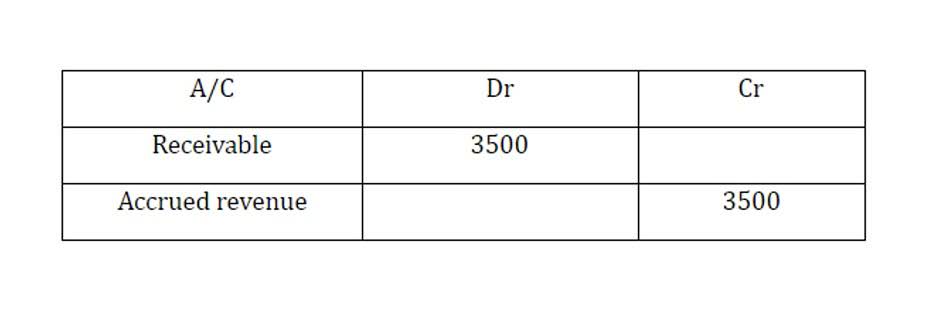
The accountant realized that the electric bill is law firm chart of accounts not yet received for the December of 202X. The company has used the electricity for the month, but supplier has not yet issued the invoice, so the accountant cannot record the utility expense. So they have to estimate the electricity usage and record the expense on the income statement. Based on past experience, accountants have estimated the electricity is $ 1,000 per month, so they record the amount in the income statement. At the beginning of the new month, company will reverse the accrued transaction.
Small Business Confidence Declines Amid Rising Concerns About Revenue and Inflation
Cost of goods only includes expenses directly related to products and services. For example, a chandler business would consist of wax, wicks, glass, and ingredients in its COGS. Overhead, such as marketing spend, real estate, utilities, asset depreciation, shipping fees, and other indirect expenses do not count towards COGS. At FinancePal, we recognize that most small business owners started their companies because they were experts in providing a good or a service—not at balancing a book. Plus, accounting and bookkeeping for startups can be complex and multi-faceted. A contra account is an account with a balance opposite the normal accounts in its category.
Opposite of EXPENSE – 35 Antonyms With Sentence Examples
While accrued expenses represent liabilities, prepaid expenses are recognized as assets on the balance sheet. This is because the company is expected to receive future economic benefit from the prepayment. Accrued refers to an expense incurred but not paid in the same reporting period. Accrued expenses are unpaid financial obligations that lack invoice or documentation. These accrued expenses are current liabilities recorded in the balance sheet that the company should pay within the next 12 months. Because the company actually incurred 12 months’ worth of salary expenses, an adjusting journal entry is recorded at the end of the accounting period for the last month’s expense.
Ready to give our services a try?
Income generated by a business or organization, usually from sales or services. The reported amount must be a reasonable estimate of what may be spent to settle the obligation at the end of the reporting period. They are funds purposefully set aside to pay for anticipated but uncertain expenses. It can be difficult to draw clear lines between accrued liabilities and provisions. In some respects, the characterization of an expense obligation as either accrued or a provision can depend on a company’s interpretation of the expense.
Accrual accounting recognizes expenses when they are incurred, regardless of when cash is received or paid. Cash basis accounting records revenues and expenses only when cash is received or paid. A debit is an accounting entry that records incoming cash — increasing asset and expense accounts and decreasing liability, equity, and revenue accounts. Accrued expenses, or accrued liabilities as they are commonly referred to in general accounting, are recognized on the balance sheet as a liability. This is because an “accrued liability” is the result of an accrued expense, which represents a company’s obligation to make a future payment.
Companies Can Incur Expenses and Pay in the Same Reporting Period

Provision for bad debt or allowance for bad debt or allowance for an uncollectable account is the management estimate of receivable balance which is not going to be collected. On the balance sheet, accounts receivable present on the debit side (positive) while the provision for bad debt is present on the credit site (negative). Fortunately, accounting software requires each journal entry to post an equal dollar amount of debits and credits. If the totals don’t balance, you’ll get an error message alerting you to correct the journal entry. This might happen if you adjust or reverse the expenses you previously recorded. For example, For example, let’s say you were charged for a service you didn’t end up using, and the vendor issued a refund.
Are Gains Considered Revenue?
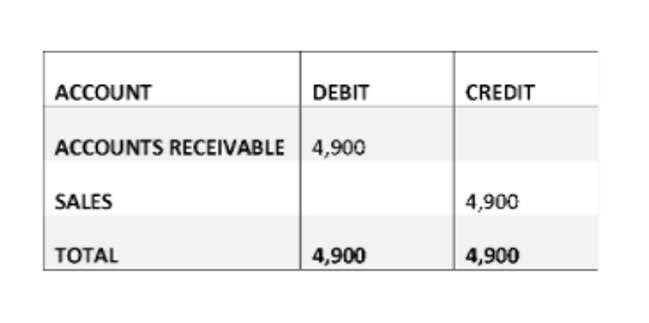
When using T-accounts, a debit is on the left side of the chart while a credit is on the right side. It can be calculated well ahead of time, and money can be set aside for it in a very specific fashion. The accrued expense is listed in the ledger until payment is actually distributed to the bondholders. Expenses are typically categorized as costs that contribute to the overall operation of bookkeeping a company — meaning that after a year, there’s nothing to show for it since the item is completely used. Expenses include things like food, utilities, office supplies, or rent.
How Write-Downs Work
- Bains and losses represent the financial performance of non-operating activities.
- Contra Equity Account – A contra equity account has a debit balance and decreases a standard equity account.
- The company’s income statement will report the combination of the amounts in accounts 4210 and 4211 in order to show the company’s actual expense of $8,000 ($10,000 minus $2,000).
- Companies need to purchase goods or services to produce a product or perform a service.
- Each year of an asset’s life, another year of Depreciation Expense is recorded.
- This double-entry system shows that the company now has $20,000 more in cash and a corresponding $20,000 less in books.
When buying on margin, investors borrow funds from their brokerage and use the money in addition to their own to purchase more shares than they otherwise would be able to purchase. The debit amount recorded by the brokerage in an investor’s account represents the cash cost of the transaction to the investor. For example, if Barnes & Noble sold $20,000 worth opposite of expense in accounting of books, it would debit its cash account $20,000 and credit its books or inventory account $20,000. This double-entry system shows that the company now has $20,000 more in cash and a corresponding $20,000 less in books. In a standard journal entry, all debits are placed as the top lines, while all credits are listed on the line below debits.
Signs Your Business Is Ready For Outsourced Accounting Services
However, when learning how to post business transactions, it can be confusing to tell the difference between debit vs. credit accounting. For instance, if a company takes out a loan to purchase equipment, it would simultaneously debit fixed assets and credit a liabilities account, depending on the nature of the loan. The unpaid expenses incurred by a company for which no invoice has been received from its suppliers or vendors are referred to as accrued expenses.
]]>
Violations of these fiduciary responsibilities can lead to severe consequences, including disciplinary actions, disbarment, and legal liabilities. While trust accounting seems like a relatively straightforward concept, keeping track of client trusts can get complicated if you’re managing accounts for multiple clients. This program manages client funds held in trust by lawyers, which are typically nominal in amount or deposited for a short period only. Any interest earned on these funds is pooled together and used for legal aid, increasing access to justice for those who are unable to afford it. IOLTA programs were first established in Australia and Canada in payroll the late 1960s to generate funds for legal services to the poor and other charitable purposes. In the U.S., IOLTA programs are state-specific,8 and operate under their own rules and regulations.
The right financial institution
Every single transaction in and out of your IOLTA must be accounted for, no matter how small. And you should be able to supply accurate and up-to-date records for all of your trust accounts—not just IOLTA—to the state bar upon request. Some IOLTA-friendly merchants (like LawPay) will charge fees to your firm’s operating account while depositing funds to the IOLTA account. If your merchant isn’t IOLTA-friendly, however, these fees can become hard to track, causing you to charge the wrong client’s account. According to the ABA, Interest on Lawyers’ Trust Accounts (IOLTA) offers a way to raise money for charity from the interest attorneys earn from their trust accounts. Streamlining your trust accounting trust accounting for lawyers system is achievable once you understand the rules and have the right tools to optimize your processes.
Choosing the Best Trust Accounting Software
If you’re a lawyer in Texas, check out our comprehensive guide, What You Need to Know About IOLTA Accounts in Texas. Plus, you’ll likely encounter a system of banks and credit card processors that are far too often ignorant of said rules. Save time, money and no small amount of heartache for your loved ones by planning ahead.
7 Top Tax Deductions for Lawyers and Law Firms
More flexible than a final will, trusts come into power upon creation and open up a world of possibilities. Network Attorneys offer ARAG members legal guidance and consultation, document review and preparation and representation. Attorney fees for most covered legal matters are 100% paid-in-full when you work with a Network Attorney. Since IOLTA’s inception, a number of court cases have arisen in which parties argued that IOLTA programs violated the Fifth Amendment by resulting in an unconstitutional taking. If you’ve made the switch from paper checks to electronic billing (e-transfer, credit card payments, or other types of payments), you can’t pass along the payment fees to your client’s IOLTA.
- This approach can simplify the management of smaller amounts or when transactions are frequent but requires meticulous record-keeping to accurately track each client’s balance.
- Prior to TrustBooks, Tom owned Boyle CPA, a CPA firm that provided accounting and consulting services to small businesses with a focus on law firms.
- Ensuring that every transaction is properly documented helps in demonstrating compliance during audits or investigations.
- ARAG is not responsible for the legality or accuracy of the information contained therein, or for any costs incurred while using this site.
- In all provinces IOLTA generated from pooled trust accounts is remitted to the applicable law foundation of the province.
Common Challenges and Best Practices for Managing Attorney Trust Accounts
- When making this decision, it is vitally important that you review the rules in your state, particularly if you are thinking about selecting a non-lawyer.
- Lawyers must deposit unearned client funds and funds belonging to the client into the IOLTA account and only withdraw them once the funds are earned or needed for client-related fees.
- We have one of the largest platforms of US offices of any law firm in the world.
- And the penalties for breaking these rules can be severe, sometimes even leading to disbarment.
- Lawyers cannot use funds in trust accounts until they are earned through billable work or used to pay fees on a client’s behalf.
- As lawyers, you have lots of resources and CLE’s available to you to help build an understanding of your trust account and the rules and regulations behind managing your trust account.
Firms can also use their operating funds to cover client expenses and bill that back at the time of invoicing when the revenue Accounting for Churches is earned. AI legal assistants can help boost your law firm’s productivity by automating mundane tasks so you can focus on high-value legal work. As mistakes may come with serious repercussions, lawyers need to be aware of all laws and rules when dealing with these accounts. You can set up the trust without an attorney, online service, or paid templates, but it is probably not worth the risk. Yes, lawyers cost money, but a simple consultation from a qualified solicitor can guarantee the viability of your trust. You don’t need an attorney to set up the trust, but having one going through your draft is an extra step that is highly recommended.


As fiduciaries, attorneys must act in the best interest of their clients, ensuring that client funds are not only secure but also clearly accounted for at all times. This includes accurate record-keeping, timely and precise disbursement of funds, and strict adherence to all applicable legal and ethical guidelines. The trust account rules also mandate detailed record-keeping and regular reporting to ensure transparency and accountability.
]]>
This method of accounting tracks income and expenses along with the job they relate to. Job costing is most effective when conducted by your construction accounting software. After the project is completed, construction companies perform a post-job review to analyze and assess the job’s overall profitability. Expert Construction Bookkeeping Services provide comprehensive financial reports that go beyond just profit and loss statements.

Subcontractor management
- The software also delivers flexible reporting and analytics, with pre-built options for progress billing and contract summaries.
- Depending on your needs, QuickBooks can work as a construction accounting software.
- Construction-specific solutions typically come with a higher price tag due to their advanced functionalities and industry-specific features.
- Document management to organize contracts, change orders, and project documentation in one place.
- By analyzing data trends and performance metrics, businesses can make informed decisions to enhance project profitability and competitiveness.
- To help you separate the wheat from the chaff, here are the most essential features to look out for when choosing a construction accounting solution.
For pricing, we looked at the starting price for the software and whether the company was transparent with its pricing. Those offering transparent pricing fared better than those forcing you to provide data to get a custom quote. We also looked at the range of costs between the various pricing tiers that a provider offered and the value that those plans offered to users. Deltek ComputerEase, formerly Construction Accounting by Computer Ease, is a software solution that tells you where each job stands in various ways. It can tell you what the real costs are versus the actual costs, the percentage of each job completed, cash flow and profitability.

Strategic Financial Reporting
To manage cash flow effectively, companies need to track their cash inflows and outflows and forecast their future cash needs. The construction cost control software is ideal for contractors who streamline processes and improve project profitability. QuickBooks Projects Dash helps you track project costs, budgets, and profits in real time and enables you to make smart financial decisions throughout the project to prevent cost overruns. The best way to stay organized is tracking your day-to-day transactions, reconcile your accounts on a regular basis, and use construction accounting software. By understanding these construction accounting basics and implementing best practices, you can better manage your construction business’s finances, ensure compliance, and drive profitability. Remember, effective construction accounting is not just about number-crunching and financial statements–it’s a powerful tool for informed decision-making and business growth.
Contractor and Subcontractor Payment Management
- Comprehensive project management tools that link financial data with construction schedules, providing a unified view of each project.
- Top ERP products for construction include Viewpoint Vista, Jonas Enterprise, and Procore.
- This may include service work, design services, consulting, engineering, sourcing materials, and more.
- Implement robust cash flow forecasting and management practices to ensure your business remains financially healthy.
- Approve timesheets and let your team clock in and out from any device to help reduce errors and simplify tax filing.
A professional bookkeeper ensures timely tracking of accounts receivable and payable, preventing cash shortages and delays. With better cash flow visibility, businesses can plan expenditures, negotiate supplier terms, and ensure smooth project operations without financial disruptions. They say collaboration is key, and that’s especially true when it comes to your construction tech stack. Imagine the time you could save if your accounting platform could work together with your favorite construction management software.

This may include service work, design services, consulting, engineering, sourcing materials, and more. However, managing your business finances correctly doesn’t always come naturally—especially if you’re not much of a numbers person. What’s more, accounting for construction company finances has some unique challenges compared to other types of businesses.

Improved Cash Flow Management
Metadata enables tracking, allowing you to see when a report is sent, opened, printed, clicked, or responded to. Procore is one of the biggest names when it comes to construction-specific accounting and project management tools. It can handle enormous amounts of data and large file sizes, but can still work for small contractors that are just starting out. Procore is a great https://digitaledge.org/the-role-of-construction-bookkeeping-in-improving-business-efficiency/ choice if you (or your IT team) need to customize your construction reports or project data in a certain way. A construction management software will have more of a focus on non-accounting features such as estimating, scheduling, and project management.
- This could lead to companies spending high amounts of revenue on software they can’t fully leverage or benefit from.
- There are many software options available that are specifically designed for construction companies, such as QuickBooks for Contractors, Foundation Software, and Sage 100 Contractor.
- One of the key roles of a construction bookkeeper is tracking all project-related expenses—labor, materials, equipment, and subcontractors.
- Budgeting and forecasting are essential for construction companies because they often have large, complex projects that require significant resources.
- There are simple workflows for employees to submit the time cards and manager approvals to approve them.
How do I choose the best accounting software for my business?

Terms, conditions, pricing, features, service and support are subject to change without notice. They’ll provide guidance, answer your questions, and teach you how to do tasks in QuickBooks, so you can stay on track for tax time and run your business with confidence. Run your construction business with more automation, better tracking, and deeper insights from QuickBooks. However, you can take a “completed contract” approach as well, which involves calculating taxes owed on each contract. A benefit of this approach is that you can track income, operating expenses, profit, and taxes on the micro-level so you gain a better understanding of where you stand on each construction project.
]]>Bookkeeping for Nonprofits: A Basic Guide & Best Practices
- We also offer bookkeeping services and fractional CFO guidance through the Jitasa Strategic Advisory Team (J-SAT) to develop a well-rounded financial management system for your organization.
- Transparent financial reporting builds trust with donors, grantors, and other stakeholders.
- You can determine whether these are one-time or regular experiences and choose how to raise funds for different programs that don’t gain as much financial support.
- This way, resources can continue to come in to support projects for positive social change.
- To learn more about purchase orders and the numberings involved, check out our post on What is a Purchase Order Number.
- Then, your treasurer has to sign off on the budget before it goes into effect.
But don’t just take it from us—see what nonprofit leaders have to say about working with our team. Jitasa’s tax specialists have filed more than 4,000 tax returns for nonprofits of all shapes and sizes. In addition to your IRS Form 990, we’ll prepare any other forms you may need. Bookkeepers typically handle the data entry work, while the accountant handles the analysis of the data. This statement details the cash inflows and outflows from operating, investing, and financing activities, providing insight into the organization’s liquidity.
Raise funds with Zeffy. 100% free, forever.
- You’ll categorize each inflow and outflow, reconcile bank statements, and prepare reports that satisfy donors and regulators alike.
- It enhances internal controls and accountability within the organization.
- KMK empowers firms to focus on their core functions by managing complex facets, ensuring optimal growth and efficiency.
- Nonprofits have strict rules regarding funding sources and how they should be spent.
- Understanding these variations helps nonprofits set up appropriate tracking systems and maintain compliance with each donor type’s expectations.
- Whereas, nonprofit organizations need to monitor multiple sources, including fundraising events and grants, while maintaining their financial position.
Modern fundraising and donation management platforms can integrate seamlessly with your bookkeeping systems, simplifying tasks such as donation tracking and financial reporting. The Nonprofit Bookkeeper oversees day-to-day financial transactions, adhering to nonprofit accounting standards. Good bookkeepers excel in time management and organization, which helps to optimize workflows and complete critical financial processes accurately and punctually.
Mastering Financial Health: Bookkeeping for Dentists Simplified
Most organizations need dedicated nonprofit accounting support when their annual budget exceeds $500,000, when managing multiple funding sources, or when dealing with complex grant requirements. Tracking and adhering to specific restrictions attached to donor contributions can be complex. To avoid the pitfalls, you can implement a robust fund accounting system.
- It is a growing company that claims to be used by over 40,000 nonprofits.
- Tracking these stocks can be complex, as they often come with conditions about how they must be used.
- This method ensures that funds are used for their intended purposes and helps maintain compliance with donor restrictions.
- Effective bookkeeping is crucial for legal compliance and transparent reporting, informed decision-making, and fostering trust among donors and stakeholders.
- Nonprofit bookkeepers must be familiar with specific regulations, such as IRS Form 990, which is required for tax-exempt status.
- In the same way, bookkeeping can prepare your nonprofit’s financial records and budget for tax filings, annual reports, and every other deep dive into your assets.
Maintaining a healthy fund balance is vital for continuity and sustainability. Strategic financial planning poses a unique challenge in the nonprofit sector. Unlike businesses that can focus primarily on profit margins, nonprofits must balance mission impact with financial sustainability. Organizations must develop allocation methods that are fair, defensible, and consistently applied across all programs and funding sources. This delicate balancing act requires technical expertise and careful documentation to satisfy various stakeholder requirements.
We’ll break down their responsibilities to help you understand the difference between the two positions. We also use different external services like Google Webfonts, Google Maps, and external Video providers. Since these providers may collect personal data like your IP address we allow you to block them here. Please be aware that this might heavily reduce the functionality and appearance of our site. Through our podcast, A Modern Nonprofit, we’ve created a space where real https://holycitysinner.com/top-benefits-of-accounting-services-for-nonprofit-organizati/ stories, expert advice, and fresh perspectives come together to support leaders like you. Whether you’re looking for clarity, connection, or a little inspiration, we have something for you.
]]>